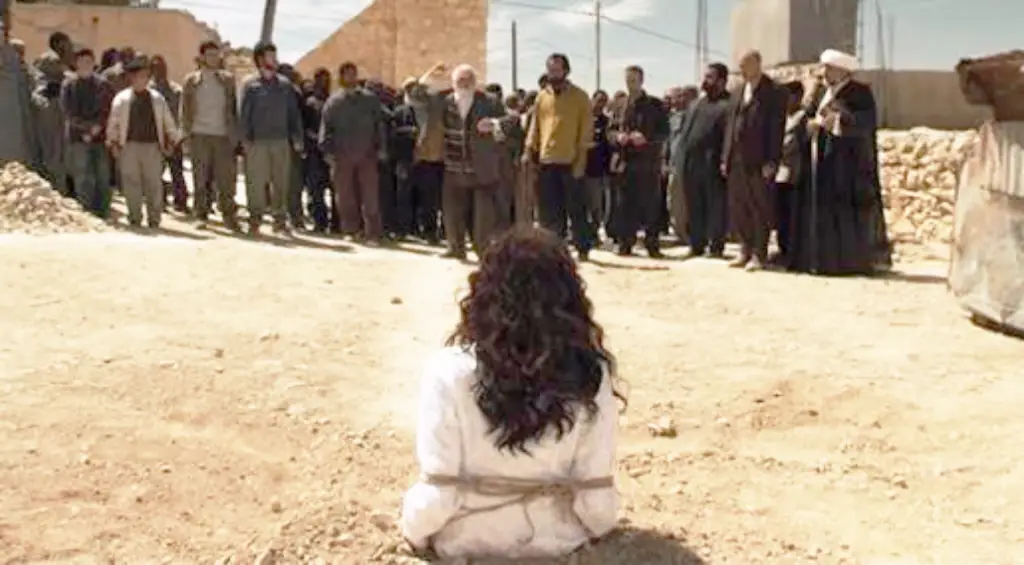
Is stoning practiced in Islam? What does the Quran say about it?
The Punishment of Stoning (Rajm) in the Quran: Verses, Hadiths, and its Place in Islamic Law
One of the most sensitive and complex topics in discussions on Islamic law and ethics is the punishment of stoning (rajm), prescribed for the crime of adultery. The place of this punishment in the Quran, its relationship with hadiths, and the views of different schools of thought on this issue have been at the center of a deep scholarly and social debate spanning centuries. This article aims to comprehensively address the question of whether the punishment of stoning exists in the Quran, starting from the Quran’s approach to the punishment for adultery, the role of hadiths, historical origins, and its reflections in modern Islamic thought. The punishment of stoning for the crime of adultery is not mentioned in the Quran; the Quran prescribes the punishment of lashing for those who commit adultery. The punishment of stoning is found in hadiths and the fiqh tradition.
Is the Punishment of Stoning Explicitly Mentioned in the Quran?
An ayah known as the Quranic stoning verse or an ayah explicitly commanding the punishment of stoning is not found in the current text of the Quran. The Quran prescribes a specific punishment for the crime of adultery:
-
Surah An-Nur, 24:2: “The woman and the man guilty of adultery or fornication – flog each one of them with a hundred stripes. Let no pity withhold you in their case, in a matter prescribed by Allah, if you believe in Allah and the Last Day. And let a party of the believers witness their punishment.”
This verse clearly states the punishment of one hundred lashes for those who commit adultery, without distinguishing between married or unmarried individuals. This clear ruling of the Quran provides a direct answer to the question of does the Quran command stoning: there is no command for stoning in the Quran.
How is the Punishment for Adultery Determined in the Quran?
The Quran not only punishes the crime of adultery but also sets extremely strict conditions for its proof. The condition of four witnesses is required for the proof of adultery:
-
Surah An-Nisa, 4:15: “If any of your women are guilty of lewdness, bring four witnesses from among you to testify against them. If they testify, confine them to their houses until death takes them or Allah ordains for them some (other) way.” (It has been claimed that this verse was later abrogated, meaning rendered invalid, by the ruling in Surah An-Nur. However, the belief in abrogation is contrary to the Quran. Yet, no verse in the Quran can be rendered invalid.)
-
Surah An-Nur, 24:4: “And those who accuse chaste women and then do not produce four witnesses – flog them with eighty stripes and never accept their testimony thereafter. And those are the defiantly disobedient.”
These verses demonstrate how serious the accusation of adultery is and how difficult its proof is. The condition of four witnesses aims to prevent slander and protect social order. This approach of the Quran reveals that it prioritizes justice and caution in the application of punishments. Therefore, the punishment of stoning for adultery is not found in the Quranic text; only the punishment of lashing is mentioned.
The Debate on Stoning in Light of Hadiths and the Quran
Despite the absence of explicit mention of the punishment of stoning in the Quran, its application in Islamic law is largely based on the Sunnah of the Prophet, i.e., hadiths. Evidence for the punishment of stoning in Islam generally refers to certain events mentioned in authentic hadith sources. There is no clear and explicit narration. Weak narrations are taken as a basis. If such an application occurred, it was the application of a Jewish sharia before the revelation of verses about adultery.
- The Incidents of Ma’iz and Ghamidiyya: In authentic hadiths, it is narrated that during the time of Prophet Muhammad, the punishment of stoning was applied to individuals named Ma’iz and Ghamidiyya upon their confessions of committing adultery. These narrations form the primary basis for the claim that the punishment of stoning was applied during the Prophet’s era.
- Umar’s Sayings: The words of Hz. Umar, stating that a stoning verse was present in the Quran but not in the written text (claiming it was abrogated or forgotten), also hold an important place in this debate. This is a claim about the existence of a verse like “When an old man and an old woman commit adultery, stone them.” Could such a thing be possible?
This situation has created a tension between the clear ruling of the Quran and the practices in hadiths. While some scholars argue that hadiths are explanatory and complementary to the Quran, thereby accepting the legitimacy of the punishment of stoning, others put forward the valid argument that “a punishment contrary to the clear ruling of the Quran cannot be established by hadiths.” This debate requires a deep understanding of the sources of Islamic law and its interpretive methodology.
Historical Origins of the Punishment of Stoning and its Place in Islam
The punishment of stoning was a form of punishment known in pre-Islamic Arab society and Jewish law. The Torah prescribes stoning to death for adultery and some other crimes. In the early periods of Islam, the existence of such punishment methods and the Prophet Muhammad’s application of this punishment in some cases laid the groundwork for stoning to be included in the Islamic legal tradition. However, Muslims are responsible for the commands found in the Quran. Nevertheless, the principles of justice and mercy brought by Islam introduced specific conditions and limitations in the application of punishments. Strict conditions such as the requirement of four witnesses or the offender’s own confession for the application of the punishment for adultery indicate that this punishment is exceptional and deterrent, rather than a common practice.
Views of Different Schools of Thought and Scholars on the Punishment of Stoning
When examining the views of schools of thought on the punishment of stoning, the vast majority of Sunni and Shia fiqh schools have generally ruled that the punishment of stoning for married adulterers (muhsan) is established by hadiths and should be applied. However, there are also some differences and nuances on this matter:
- Quranists: Today, some modern Islamic thinkers and Quranists, who consider the Quran as the sole source, argue that the punishment of stoning is not found in the Quran and therefore cannot be a part of Islamic law. According to them, the clear ruling of the Quran, which is the punishment of lashing, is the only legitimate punishment for adultery, and hadiths cannot contradict the Quran. This view asserts that it is more compatible with the Quran’s principles of justice and mercy.
- Sunni Schools (Hanafi, Maliki, Shafi’i, Hanbali): All of these schools accept that the punishment of stoning for married (muhsan) adulterers is established by the Sunnah, and that the Quranic punishment of lashing applies to unmarried adulterers. However, they are meticulous about the conditions of proof.
- Shia Schools: Shia fiqh also accepts the punishment of stoning and seeks similar conditions.
While these different views reveal the dynamic structure of Islamic law and the existence of different interpretive schools, it is clear how much harm is done to religion by relying on fabricated or weak (containing doubt) narrations.
The Quran’s Understanding of Justice and the Purpose of Punishments
The Quran emphasizes justice and mercy as fundamental principles. The purpose of punishments is not only to punish the offender but also to maintain social order, create deterrence, and prevent the recurrence of the crime. The Quran’s prescribed punishment of lashing for adultery and the strict conditions for its proof highlight the seriousness of this crime, while also aiming to protect the presumption of innocence and individual dignity. In Islam, punishments (hudud) are considered the right of Allah and cannot be forgiven. However, the difficulty of the conditions required for the application of these punishments actually aims to ensure that these punishments are rarely applied and to keep society within a moral framework. The Quran’s general understanding of justice requires punishments to be proportionate and appropriate to the severity of the crime.
The Punishment of Stoning in Modern Islamic Thought
In modern Islamic thought, the punishment of stoning is intensely debated in the context of human rights, justice, and contemporary legal principles. Many Muslim intellectuals and jurists argue that the punishment of stoning is not found in the Quran, that the historical context should be considered in the interpretation of hadiths, and that this punishment contradicts Islam’s universal message of justice and mercy in today’s world. These discussions are part of efforts to re-interpret Islamic law and find solutions to current problems. Those who advocate for the traditional understanding of fiqh, on the other hand, state that authentic hadiths and the ijma (consensus) of the Ummah legitimize this punishment and that it does not contradict the general principles of the Quran. However, it clearly contradicts them. This complex issue continues to be an active area of debate in the Islamic world.
Conclusion: There is no punishment of stoning in Islam.
The punishment of stoning is one of the most controversial issues in Islamic law. Its absence in the Quran, yet its presence in authentic hadiths and the fiqh tradition, makes this issue complex. The clearest answer to the question of is the punishment of stoning in the Quran is that there is no punishment of stoning in Islam; the Quran only prescribes the punishment of lashing for adultery. This debate also brings with it broader issues such as how the fundamental sources of Islam should be interpreted, the relationship between the Quran and the Sunnah, and how Islamic law can be adapted to the contemporary world. What is important is to approach this sensitive issue within a framework of knowledge, justice, and mutual respect, striving to correctly understand the inherent principles of justice and mercy in Islam.
Frequently Asked Questions (FAQ)
Is the punishment of stoning explicitly mentioned in the Quran?
No, the current text of the Quran does not contain the punishment of stoning (rajm) for the crime of adultery. The Quran prescribes the punishment of one hundred lashes for those who commit adultery (Surah An-Nur, 24:2).
What punishment is prescribed in the Quran for the crime of adultery?
The Quran prescribes the punishment of one hundred lashes for both married and unmarried individuals who commit adultery (Surah An-Nur, 24:2). Additionally, it sets strict conditions for the proof of adultery, such as the requirement of four witnesses.
What are the views of the schools of thought on the punishment of stoning?
The vast majority of Sunni and Shia fiqh schools have ruled that the punishment of stoning for married (muhsan) adulterers is established by hadiths and should be applied. However, modern Islamic thinkers and Muslims who focus on the Quran argue that the punishment of stoning is not found in the Quran and therefore cannot be a part of Islamic law.












Post Comment
You must be logged in to post a comment.